Authorities in North Macedonia extend their skills in supporting violent extremist prisoners during the preparation for and after release
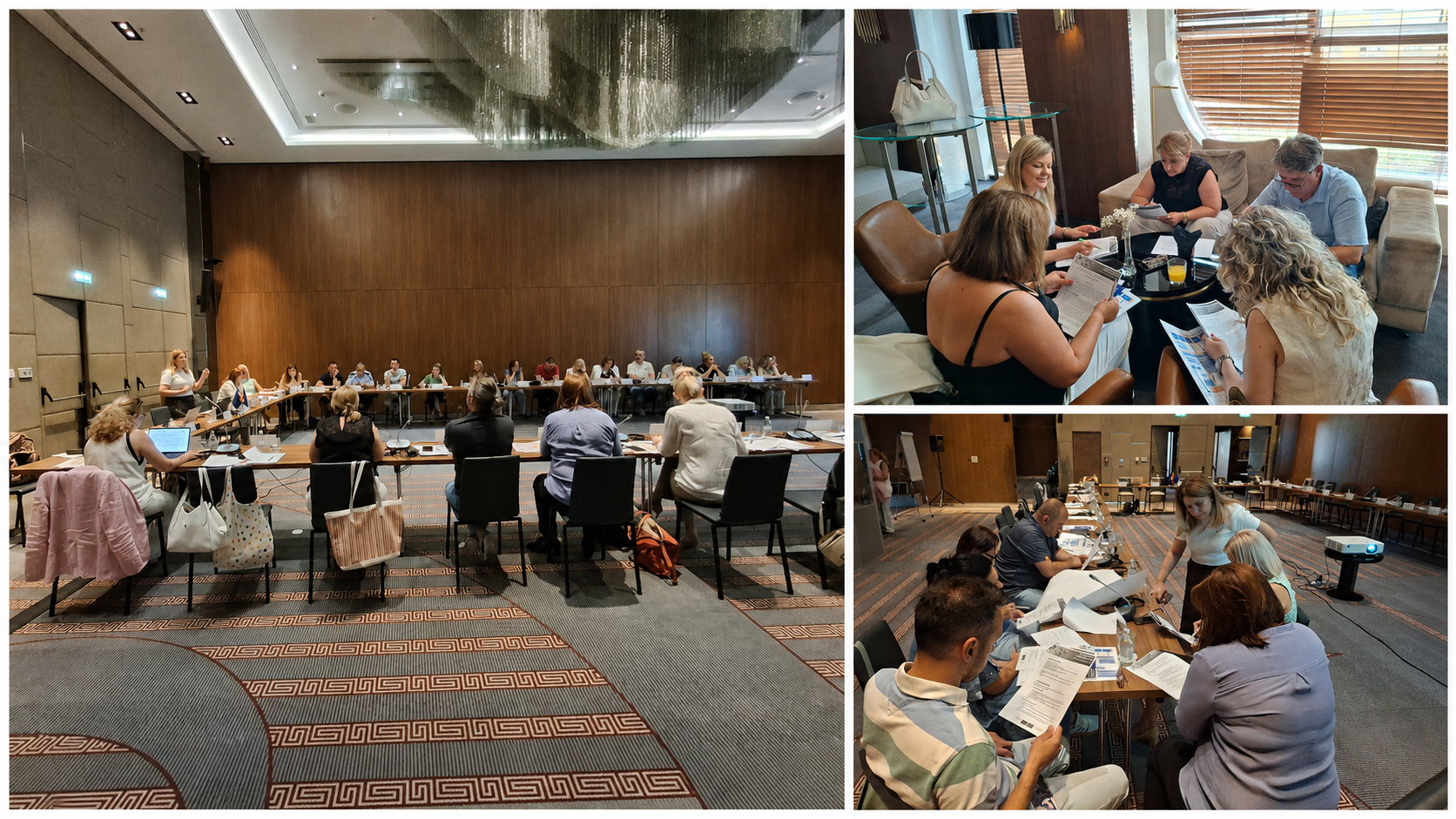
A key cornerstone of the effective reintegration of violent extremist prisoners (VEPs) and other prisoners prone to radicalisation is the efficient inter-institutional co-operation. In the efforts to prevent and counter violent extremism in line with European standards, the EU and Council of Europe are supporting prisons and relevant local institutions in North Macedonia to strengthen their capacities and at the same time enhance inter-institutional co-operation, concerning efficient treatment of VEPs. Following the development of step-by-step procedures on pre and post-release processes for VEPs and other prisoners vulnerable to radicalisation, a capacity building activity was organised in Skopje with prison staff, members of local multi-disciplinary teams (employment services, educational and healthcare centres) law enforcement agencies and probation offices. Participants got acquainted with the steps to be taken by prisons and other relevant institutions in the preparation of prisoners for release and after release. These include key roles and responsibilities of prison staff as well as information to be shared among institutions and possible role of civil society organisations in the post-release phase. Through practical exercise, participants increased their understanding on the roles and procedures applied to each institution and enhanced their skills in the preparation of the individual pre-release process and post-release support plan. A particular focus was the preparation of the final risk and needs assessment before release, and exchange of information and co-operation among relevant institutions from the start of the pre-release process. For the first time the Probation Service staff, raised their awareness on violent extremism, challenges and good practices in the rehabilitation and reintegration of VEPs and other prisoners prone to radicalisation. This is an important first step in the preparation of probation staff for potential management of violent extremist offenders, if convicted to alternatives to imprisonment in the future. The training was organised by the regional action “Enhancing co-operation in the Western Balkans in managing violent extremism in prisons and preventing further radicalisation after release” under auspices of the third phase of the European Union and Council of Europe joint “Horizontal Facility for the Western Balkans and Türkiye” programme.